November 24, 2026
Heating, ventilation, and air conditioning systems play an essential role in keeping residential and commercial spaces comfortable through harsh winters and humid summers. When your heating and cooling equipment runs at peak efficiency, it consumes less energy, delivers steadier indoor temperatures, and experiences far less mechanical wear over time. Many homeowners assume that improving system performance requires major renovations, yet small adjustments to daily habits and routine upkeep often produce remarkable improvements in comfort and air quality.
Taking a proactive approach to equipment care protects your home from sudden breakdowns during extreme weather while keeping your indoor environment healthy and balanced. Partnering with a local heating repair service gives homeowners practical ways to reduce energy waste and keep living spaces comfortable throughout every season. By combining consistent maintenance, airflow improvements, and thoughtful household practices, you can help your HVAC system operate at its best all year long.
Schedule Maintenance and Inspections
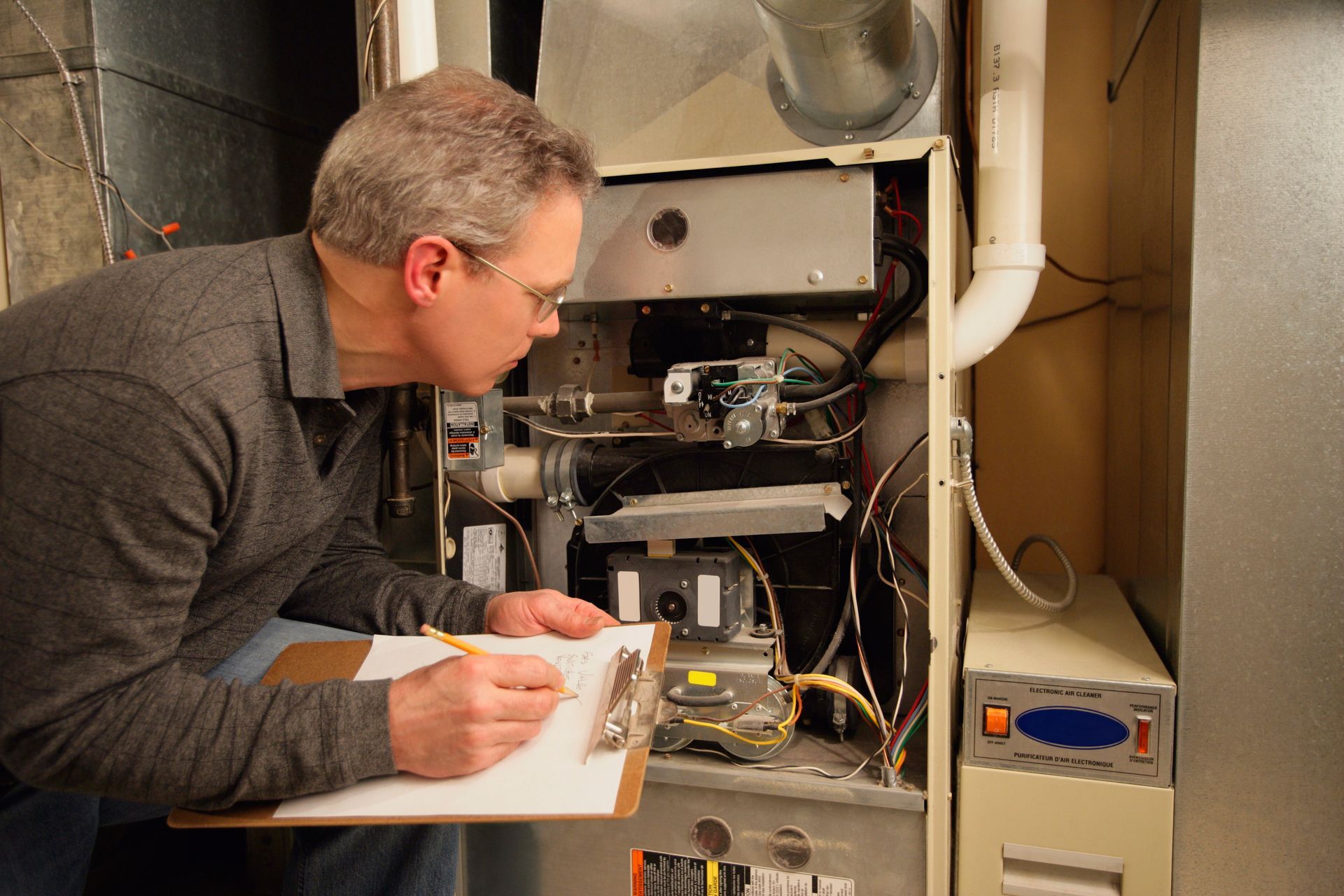
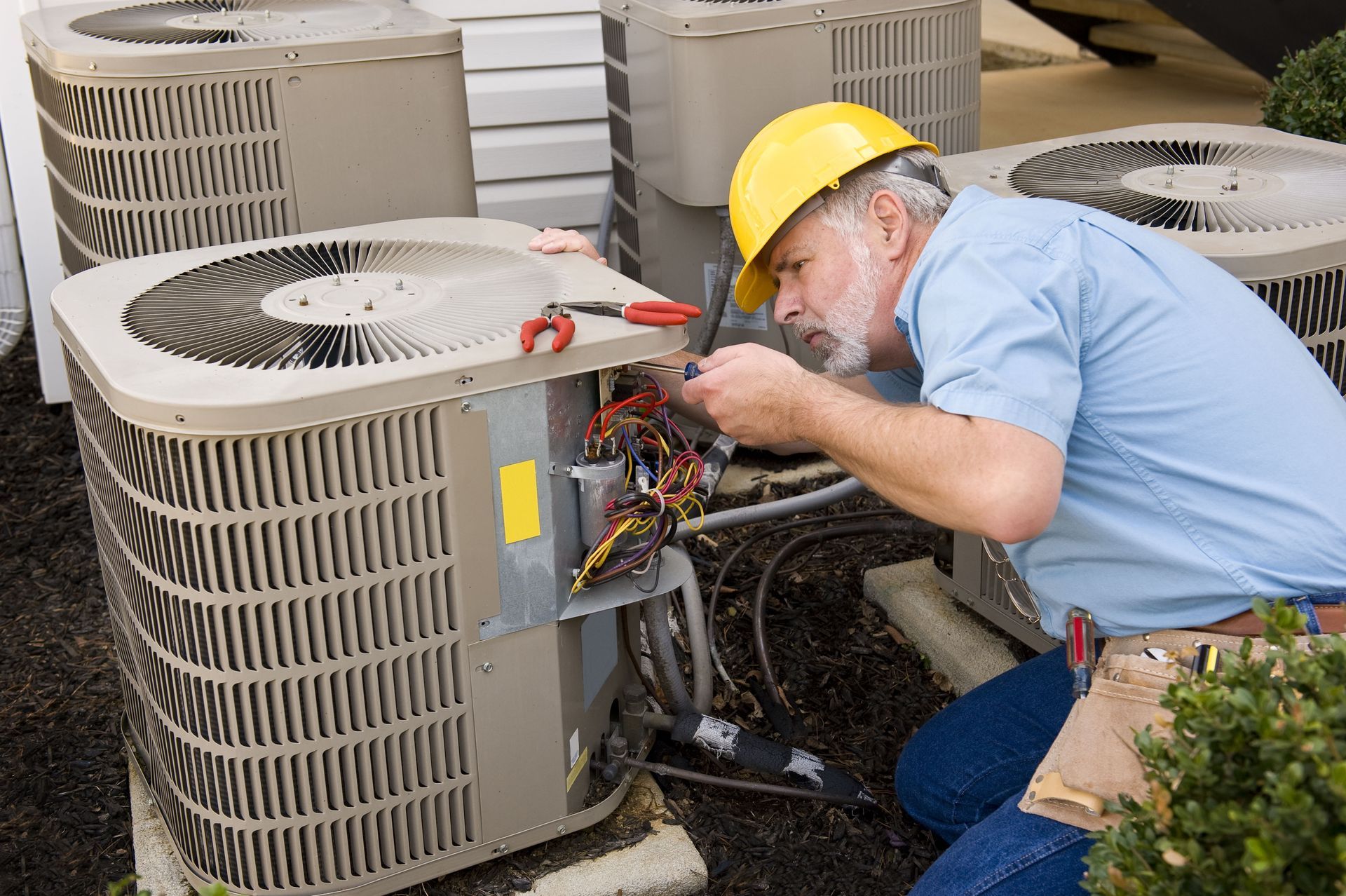
Routine upkeep forms the foundation of an efficient heating and cooling system. Scheduling seasonal checkups with a local heating repair service allows skilled technicians to spot worn components before minor issues turn into major breakdowns. During a comprehensive tune-up, a technician inspects electrical connections, lubricates moving parts, and cleans the condenser and evaporator coils. Clean coils transfer heat with minimal resistance, which prevents your furnace or air conditioner from running longer cycles than necessary to reach your desired indoor temperature.
Replacing or cleaning air filters on a regular basis is another vital step that homeowners can handle between professional visits. Dust, pet dander, and airborne debris accumulate on filter media and restrict airflow through the blower motor, forcing the entire system to work harder. Checking filters on a routine schedule and swapping out clogged ones keeps air moving without obstruction, protects internal components from dirt buildup, and supports cleaner indoor air for your family.
Seal Ductwork and Drafts
Even the finest furnace or air conditioner loses efficiency when conditioned air escapes before reaching your living spaces. Holes, disconnected joints, and gaps in supply or return ducts allow heated or cooled air to leak into attics, crawlspaces, and wall cavities. When technicians eliminate leaks and gaps in your air ducts, your system can gain up to 20% in overall efficiency, according to This Old House. A local heating repair service can test your duct network for hidden air leaks and apply durable mastic sealant or metal tape to restore balanced airflow.
Sealing the outer envelope of your home works alongside duct sealing to keep conditioned air inside where it belongs. Drafts around window frames, exterior doors, and attic hatches force your heating and cooling equipment to run nonstop to compensate for outdoor air infiltration. Applying fresh weatherstripping around doors, caulking gaps along window trim, and adding door sweeps create a tighter thermal barrier that eases the daily workload on your HVAC system.
Optimize Airflow and Circulation
Unrestricted air movement throughout your home allows your heating and cooling equipment to distribute conditioned air with minimal strain. Furniture, area rugs, drapes, and storage boxes placed over supply vents or return grilles block air circulation and create uneven hot or cold spots across different rooms. Walking through your home to clear away obstructions around registers ensures smooth airflow. If certain rooms still feel warmer or cooler than others, a local heating repair service can adjust system dampers to balance air distribution across your home.
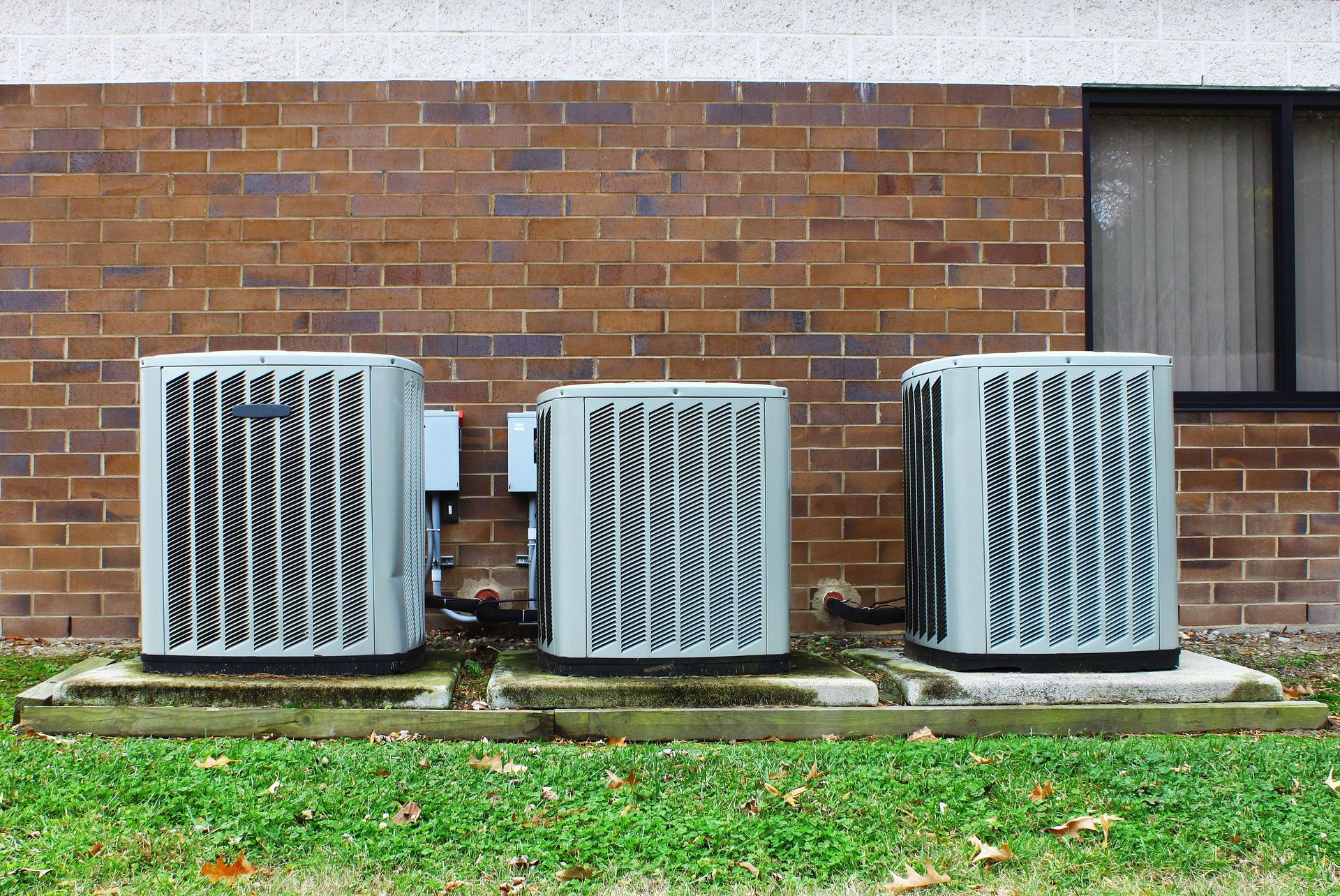
Ceiling fans and outdoor equipment placement also have a major impact on overall circulation. Running ceiling fans in a counterclockwise direction during warm weather creates a gentle wind-chill effect that makes rooms feel cooler, while reversing the blades to spin clockwise at a low speed in winter pushes warm air down from the ceiling. Outside your home, keeping leaves, tall grass, and yard debris cleared away from the outdoor condenser unit allows proper heat release and prevents the compressor from overheating.
Adjust Thermostats and Coverings
Thoughtful thermostat habits prevent your system from wasting energy when your home is empty or everyone is asleep. Lowering the thermostat setting by a modest amount during winter nights or daytime absences reduces heating demand without sacrificing comfort when you return. During summer months, raising the temperature setting by a few degrees while the house is unoccupied keeps the air conditioner from cycling on unnecessarily. During a seasonal visit, a local heating repair service can also check thermostat calibration so your heating and cooling equipment responds accurately to temperature changes.
Window coverings serve as a simple yet effective barrier against outdoor temperature swings throughout the year. Closing blinds, cellular shades, or heavy drapes on sun-facing windows during hot summer afternoons blocks solar heat gain and reduces the cooling load on your air conditioner. In the winter, opening those same coverings during sunny daylight hours lets natural warmth enter your rooms, and closing them after sunset helps trap indoor heat overnight.
Improve Ventilation and Humidity
Indoor air quality and ventilation have a direct connection to how well your HVAC equipment performs. Stale indoor air filled with dust, household fumes, and airborne allergens can clog filters faster and strain ventilation pathways. Opening windows for cross-ventilation during mild spring or autumn days brings in fresh outdoor air without running mechanical equipment, while whole-home air purification systems capture microscopic particles and keep air circulating cleanly through your ductwork.
Managing indoor moisture levels is equally important for comfort and system performance. Excess humidity during summer makes indoor air feel warmer than the actual temperature, prompting homeowners to lower the thermostat and overwork the air conditioner. Conversely, overly dry winter air feels chilly and can irritate skin and sinuses. Technicians from a local heating repair service can recommend whole-home humidifiers or dehumidifiers that match your property's specific layout and climate needs, helping your HVAC system maintain balanced comfort year-round.
Upgrade Systems and Zoning
Older heating and cooling units lose efficiency as internal components wear down, even with diligent care. Consulting a local heating repair service helps you evaluate whether an aging furnace or air conditioner should be replaced with a modern, high-efficiency unit. Newer systems feature advanced heat exchangers and variable-speed blowers that deliver steady indoor temperatures while using far less fuel or electricity than outdated models.
Homes with additions, finished basements, or rooms that never seem to match the rest of the house can also benefit from ductless mini-split systems and updated insulation. Ductless mini-splits deliver targeted heating and cooling to individual zones without losing energy through long duct runs, allowing you to condition occupied spaces without wasting energy in unused rooms. Pairing targeted equipment upgrades with fresh attic or wall insulation locks conditioned air inside your home and maximizes equipment performance.
Getting the best performance out of your heating and cooling equipment comes down to consistent maintenance, sealed air pathways, balanced airflow, and sensible daily habits. Working alongside a local heating repair service ensures that every maintenance task, air quality improvement, and system upgrade supports long-term equipment performance. Small improvements across your home work together to reduce wear on vital components, improve indoor air quality, and keep your living spaces comfortable through every season.
Whether your system needs a routine seasonal tune-up, ductwork repairs, indoor air quality solutions, or a high-efficiency replacement, our experienced technicians are ready to help. Contact our team at Maier Heating & Cooling today to inspect your equipment, improve your home's comfort, and keep your heating and cooling system running at peak efficiency.